


Tariffs – Mexican standoff
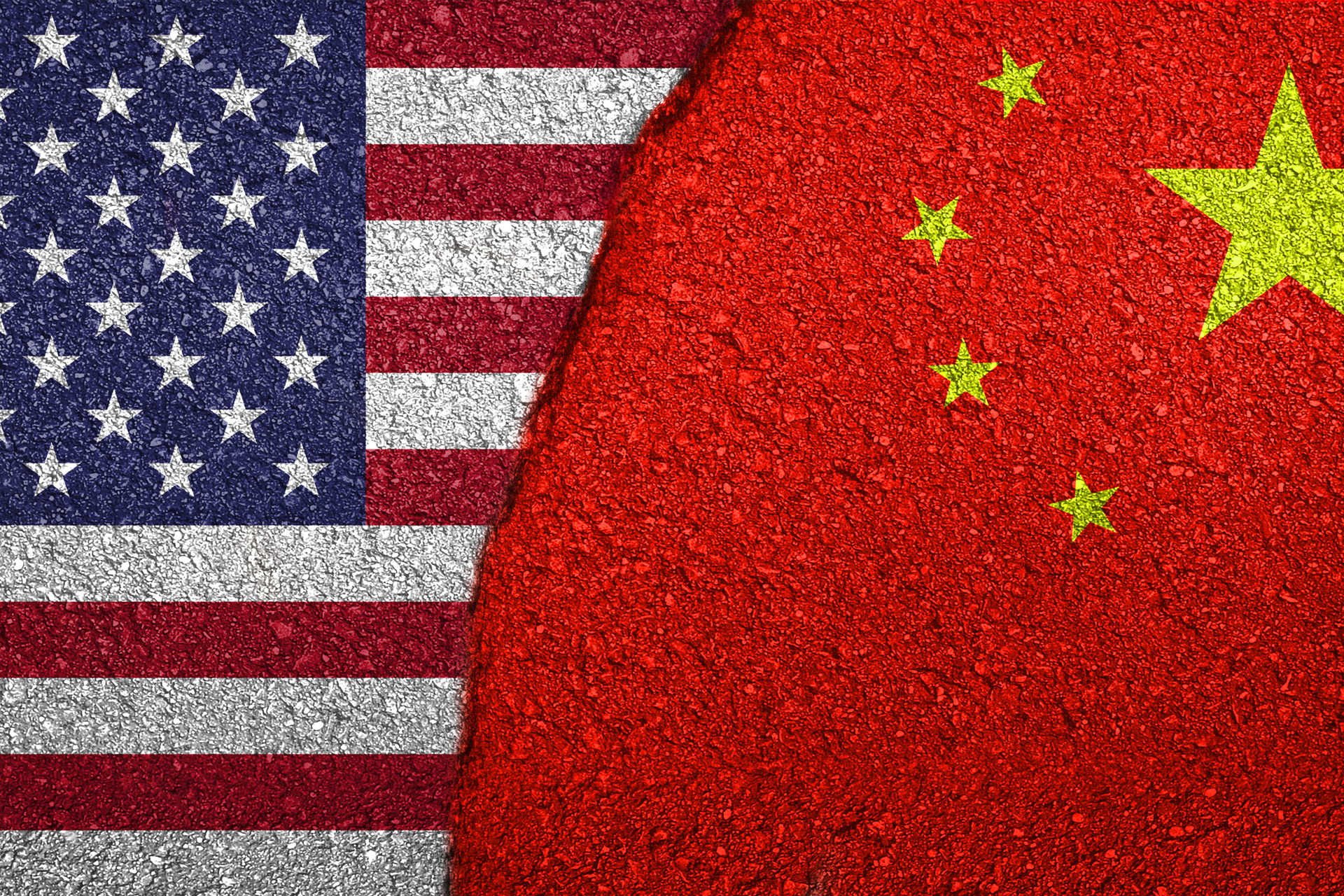
US and China are currently stuck in a “Mexican standoff” on tariffs. Both parties escalated initial tariff announcements, and the current setup would make trade impossible. No party shows any sign of de-escalation, suggesting any talks will take time and pertain to broader topics than just trade. The implications for global growth are thus worse than expected two weeks ago. On the non-China tariff, US is moving to a more case-by-case approach, with Treasury Secretary Bessent coordinating talks. UK, India, Japan seem more advanced in talks. Europe appears behind. Markets have broadly stabilised with volatility gradually falling. We see more risks as the ongoing discussions are likely to linger long enough for macro data and earnings to start showing some proper weakness, which would keep weighing on asset prices.
ECB – Dovish turn
At its April meeting, the European Central Bank cut interest rates by 25 basis points, bringing its deposit rate down to 2.25%. Guidance was dovish. The new US tariff policy is seen by the Governing Council as a downside risk to both inflation and growth outlook, and both weak energy prices and strong euro point in the same direction. The communication didn’t explicitly guide for a June cut, but we see it as a given. The vote was unanimous, suggesting the hawkish front is now more worried about the economic outlook, and hardly an obstacle to the continuation of cuts in the next few months. We see downside risks to the currently 1.5% terminal rate priced by markets.
Fed – No rush to cut
Last week, Chairman Powell refused to provide verbal policy support at his remarks at the Economic Club of Chicago. The Fed is now more worried about the recent unravelling of inflation expectations than it is on growth, especially as hard data on labour markets remain solid for now. Given this comment, we see very low chances of a cut on May 7th. A cut in June is substantially more likely as economic weakness will have filtered through by then. A delayed Fed response is likely to hurt markets more and increases pressure from the administration on the central bank. Long-end Treasury and the USD are likely to remain volatile as a result.
Algebris Investments’ Global Credit Team
For more information about Algebris and its products, or to be added to our distribution lists, please contact Investor Relations at algebrisIR@algebris.com. Visit Algebris Insights for past commentaries.
Any opinion expressed is that of Algebris, is not a statement of fact, is subject to change and does not constitute investment advice.
No reliance may be placed for any purpose on the information and opinions contained in this document or their accuracy or completeness. No representation, warranty or undertaking, express or implied, is given as to the accuracy or completeness of the information or opinions contained in this document by any of Algebris Investments, its members, employees or affiliates and no liability is accepted by such persons for the accuracy or completeness of any such information or opinions.
© Algebris Investments. Algebris Investments is the trading name for the Algebris Group.
