


Iran – The gulf chess board
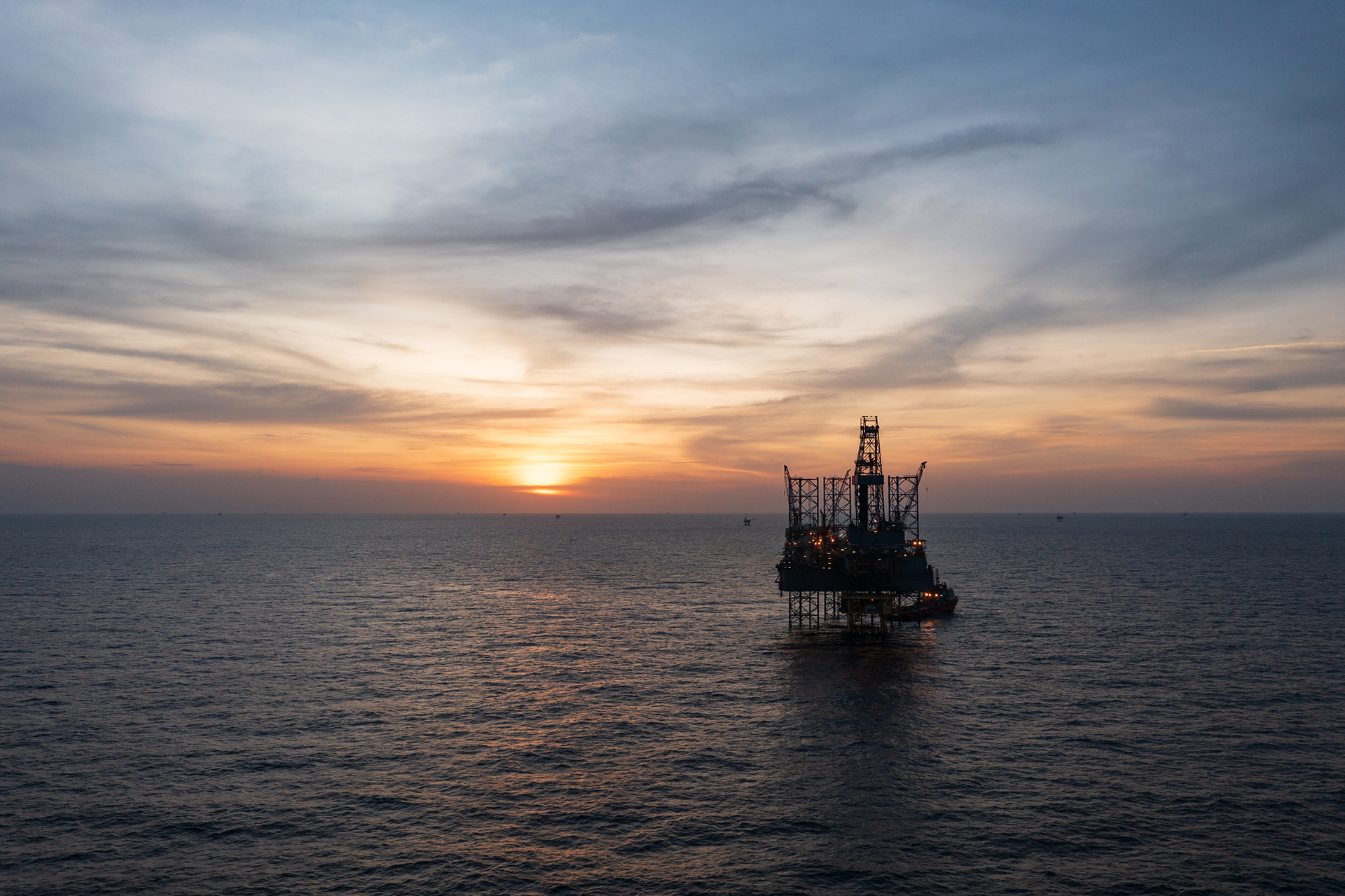
Last Monday, President Trump announced that negotiations with Iran were underway, following earlier threats to strike Iranian energy infrastructure. Later in the week, he extended the negotiation window, postponing the deadline to 6th April. High-level talks are ongoing, with both sides attempting to maximize leverage ahead of any potential agreement. The United States is deploying a significant number of troops to the Middle East, reinforcing the perception that military escalation remains a credible option. At this stage, uncertainty remains the dominant theme. The US faces a binary choice: continue negotiations or pursue a high-risk operation targeting key oil infrastructure, most notably the Strait of Hormuz or Kharg Island, to effectively choke off Iran’s oil revenues. Recent developments also highlight Iran’s control over the Strait of Hormuz, with reports that vessels are paying fees to transit. This reinforces the strategic importance of the strait and underlines the asymmetric leverage Iran retains. Overall, the situation remains foggy, with outcomes still very unclear.
Economic Impact – Inflation repricing ongoing
Markets have reacted sharply to oil price movements over the past month, with the adjustment primarily occurring through rates, particularly at the front end. Rate hikes are now being repriced globally. While the Fed is still expected to remain on hold, markets are pricing more than three additional hikes in Europe. Notably, the move has been much more pronounced in rates than in risk assets, which have so far reacted more modestly to the oil shock. Duration has sold off aggressively, with yields rising by over 40 basis points since the start of the conflict. On inflation, the pass-through is rapid. The base case now sees Euro area HICP peaking around 3%. However, stress scenarios point to significantly higher outcomes, with inflation exceeding 6% if oil averages above $150 per barrel. Growth implications are increasingly concerning. Euro area GDP growth for the next quarter is now expected to be close to zero and could turn negative under high oil price scenarios. In the US, headline PCE is likely to approach 4% if oil stabilises at current levels, with upside risk if energy prices rise further. However, US growth is expected to be more resilient, given its lower dependence on imported energy compared to Europe.
Algebris Investments’ Global Credit Team
For more information about Algebris and its products, or to be added to our distribution lists, please contact Investor Relations at algebrisIR@algebris.com. Visit Algebris Insights for past commentaries.
Any opinion expressed is that of Algebris, is not a statement of fact, is subject to change and does not constitute investment advice.
No reliance may be placed for any purpose on the information and opinions contained in this document or their accuracy or completeness. No representation, warranty or undertaking, express or implied, is given as to the accuracy or completeness of the information or opinions contained in this document by any of Algebris Investments, its members, employees or affiliates and no liability is accepted by such persons for the accuracy or completeness of any such information or opinions.
© Algebris Investments. Algebris Investments is the trading name for the Algebris Group.
