


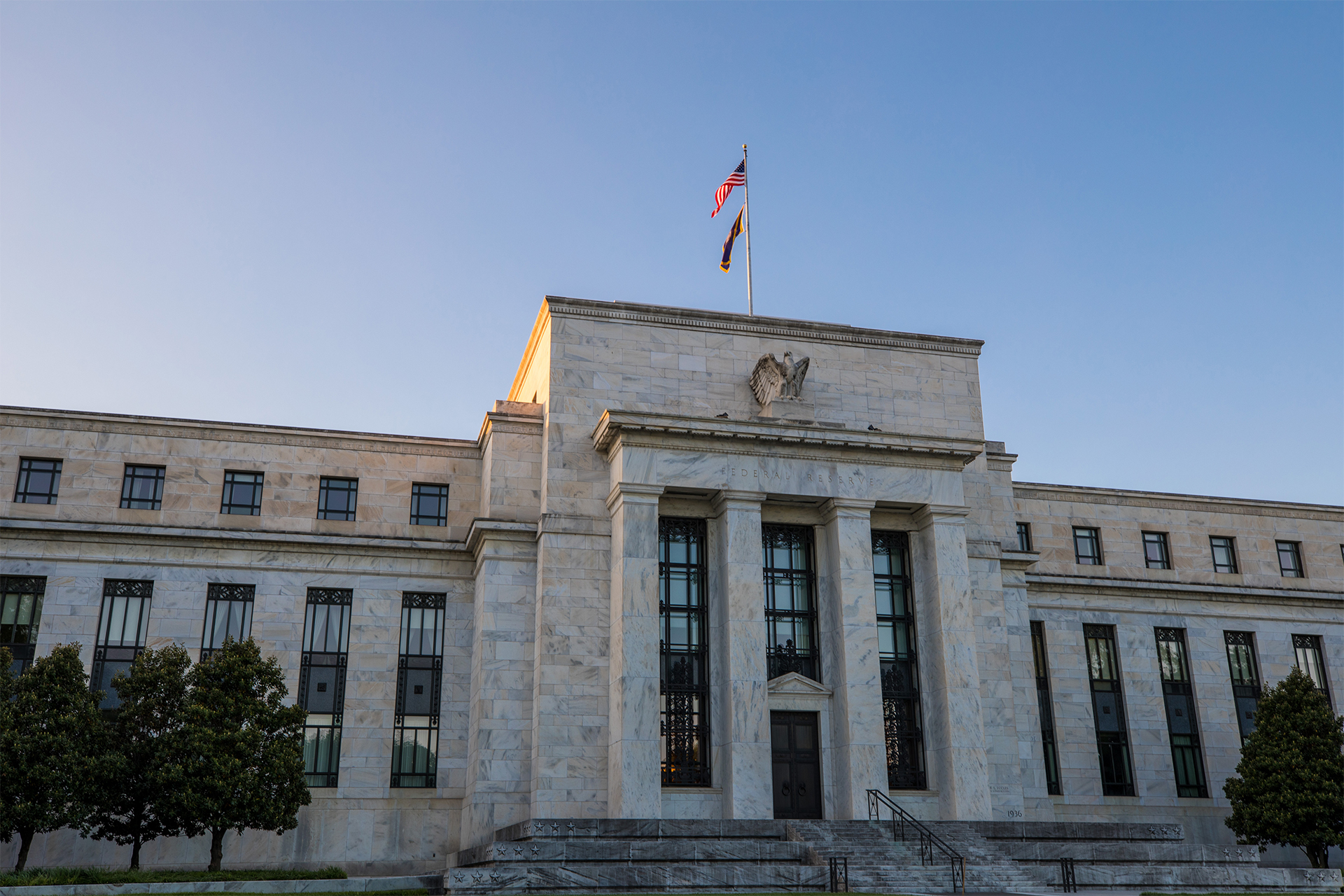
Fed – Credibility on the line
The July Fed meeting ended up raising market concerns about the new Chair’s commitment to inflation. The decision was to hold rates at 3.50–3.75%, in line with consensus. The commentary, though, underscored a degree of complacency towards the recent pickup in inflation, in contrast to the impression the market had after the June meeting. Chair Warsh refused to provide guidance on potential hikes in September and pointed to markets already addressing inflation via higher real yields, without stressing that policy would need to follow. The characterization of inflation was benign despite headline inflation having recently hovered closer to 4%, twice the target. Markets reacted with a softening of the US dollar and a marked steepening of the yield curve, with the 2s30s spread widening by 15bp on the day. Absent a softening in data or a comeback in Fed hikes, it is likely that the curve will steepen further, given the much higher levels reached by curve spreads in other historical episodes.
Global Central Banks – Wait and see
The Bank of England and the Bank of Japan followed the Federal Reserve in holding interest rates steady, respectively at 3.75% and 1%. The BoE struck a dovish tone, as its characterization of activity was weak, triggering relief at the front end of the curve, which moved substantially higher over the past few weeks amid higher oil prices and fiscal concerns. The BoJ signalled openness to further hikes in H2 2026, without committing to a specific time horizon. The central bank also intervened in FX markets to take advantage of a dovish Fed, triggering a large weekly move in the currency. The intervention is unlikely to have a lasting impact if not followed by monetary tightening.
Iran war – longer and broader
The Iran war continues to intensify, with a longer conflict and broader involvement. The memorandum of understanding signed by the US and Iran in June is now long gone, and fighting continues around the Strait of Hormuz. The Houthis and Yemen have also become involved, firing rockets at Saudi Arabia and threatening the western straits (Bab El Mandeeb and Suez). Over the past three weeks, attacks have been carried out against Egypt, Jordan, the UAE and Bahrain, suggesting higher chances of an accident. Oil remains high but below the levels reached in March, as US rhetoric suggests that the appetite for a deal remains high. We see the risks of a further contraction in global supply and a further increase in oil prices continuing to rise.
Algebris Investments’ Global Credit Team
For more information about Algebris and its products, or to be added to our distribution lists, please contact Investor Relations at algebrisIR@algebris.com. Visit Algebris Insights for past commentaries.
Any opinion expressed is that of Algebris, is not a statement of fact, is subject to change and does not constitute investment advice.
No reliance may be placed for any purpose on the information and opinions contained in this document or their accuracy or completeness. No representation, warranty or undertaking, express or implied, is given as to the accuracy or completeness of the information or opinions contained in this document by any of Algebris Investments, its members, employees or affiliates and no liability is accepted by such persons for the accuracy or completeness of any such information or opinions.
© Algebris Investments. Algebris Investments is the trading name for the Algebris Group.
