


Iran – Escalation without an oil shock
Recent developments in the Middle East suggest that the memorandum of understanding previously agreed between the US and Iran is no longer operative. Missile and drone attacks have resumed, while the Houthis are threatening to widen the conflict by targeting regional infrastructure and potentially disrupting shipping through the Red Sea.
Iran has struck power and desalination infrastructure across the Gulf, while the US has expanded its campaign to include key Iranian infrastructure. Despite this, oil prices remain well below the levels reached in March, even as traffic through the Strait of Hormuz has fallen close to zero. This disconnect between the physical disruption and market pricing remains difficult to reconcile.
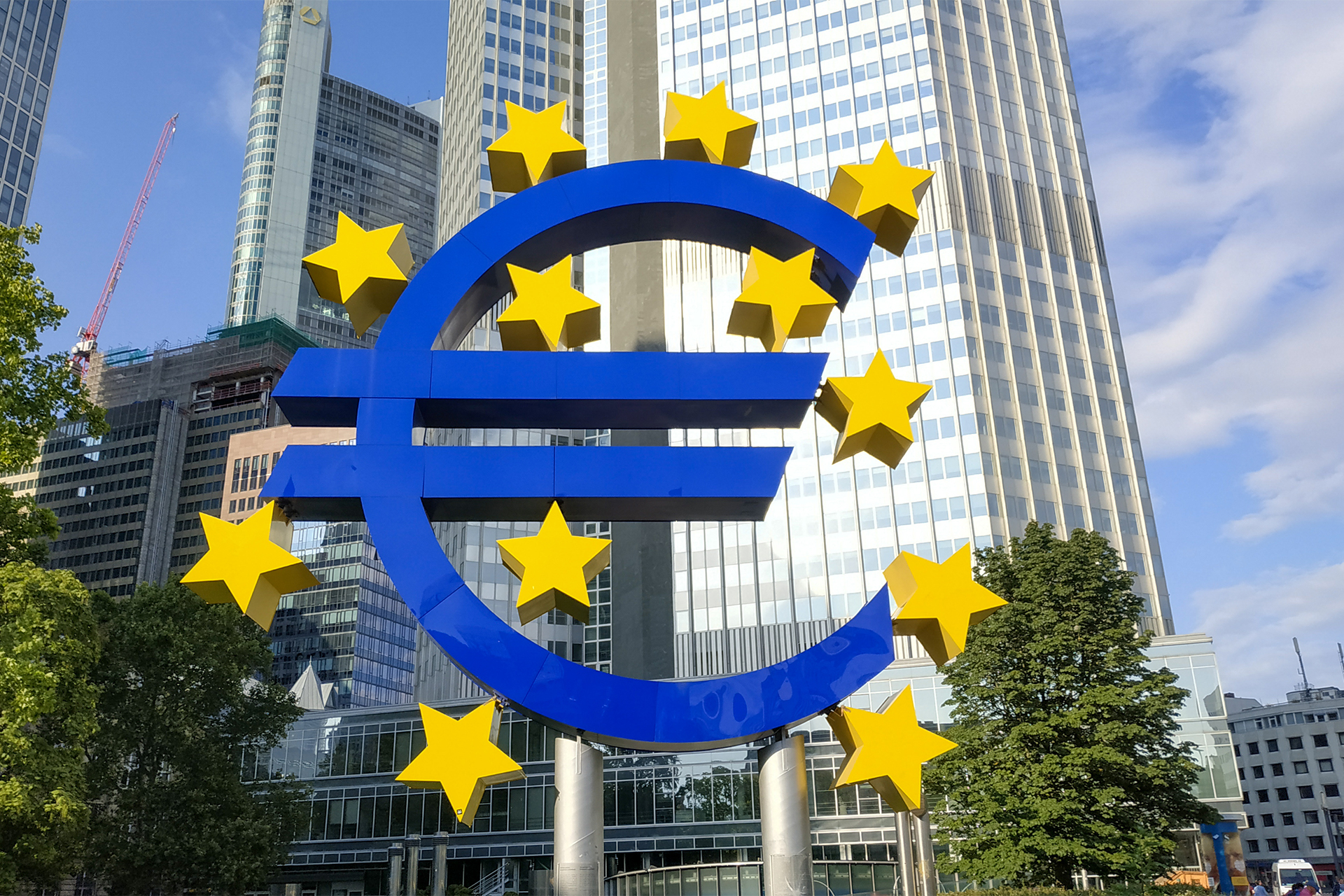
ECB – On hold, eyes on September
The ECB is widely expected to leave its policy rates unchanged at its meeting on Thursday. A more benign recent inflation print and softer input-price pressures have reduced the immediate need for further tightening. However, the renewed escalation in the Middle East has once again increased the upside risks to inflation. Current oil and gas prices remain broadly within the ranges considered in the ECB’s baseline and adverse scenarios, but a prolonged disruption to energy supplies would likely lead markets to price a greater probability of further tightening, particularly at the September meeting, for which a hike is priced at more than 80% probability. The ECB is nevertheless likely to offer limited guidance, given the highly fluid geopolitical situation and the uncertain balance between weaker growth and higher energy-driven inflation.
UK – The Burnham Era Begins
Andy Burnham is expected to become Prime Minister on Monday and immediately begin forming his Cabinet. His initial agenda is likely to focus on the cost-of-living crisis and the delivery of his “No. 1 North” programme, centred on regional investment, devolution and economic renewal. Social care is also expected to feature prominently. Shabana Mahmood is currently expected to become Chancellor. One challenge for markets is that her economic views remain relatively unclear: although she briefly held shadow Treasury roles more than a decade ago, she has not had a meaningful economic brief since then.
Europe – Elections move onto the radar
The 2027 electoral cycle will bring political risk back into focus, particularly in France and Italy. France enters the campaign with limited fiscal room, with the deficit projected above 5% of GDP and debt approaching 120% in 2027. Italy starts from a stronger near-term fiscal position, with its deficit expected to remain around 3%, although its high debt burden and the expiry of Recovery Fund support will test whether investment and growth can be sustained once EU-funded spending fades.
Algebris Investments’ Global Credit Team
For more information about Algebris and its products, or to be added to our distribution lists, please contact Investor Relations at algebrisIR@algebris.com. Visit Algebris Insights for past commentaries.
Any opinion expressed is that of Algebris, is not a statement of fact, is subject to change and does not constitute investment advice.
No reliance may be placed for any purpose on the information and opinions contained in this document or their accuracy or completeness. No representation, warranty or undertaking, express or implied, is given as to the accuracy or completeness of the information or opinions contained in this document by any of Algebris Investments, its members, employees or affiliates and no liability is accepted by such persons for the accuracy or completeness of any such information or opinions.
© Algebris Investments. Algebris Investments is the trading name for the Algebris Group.
