


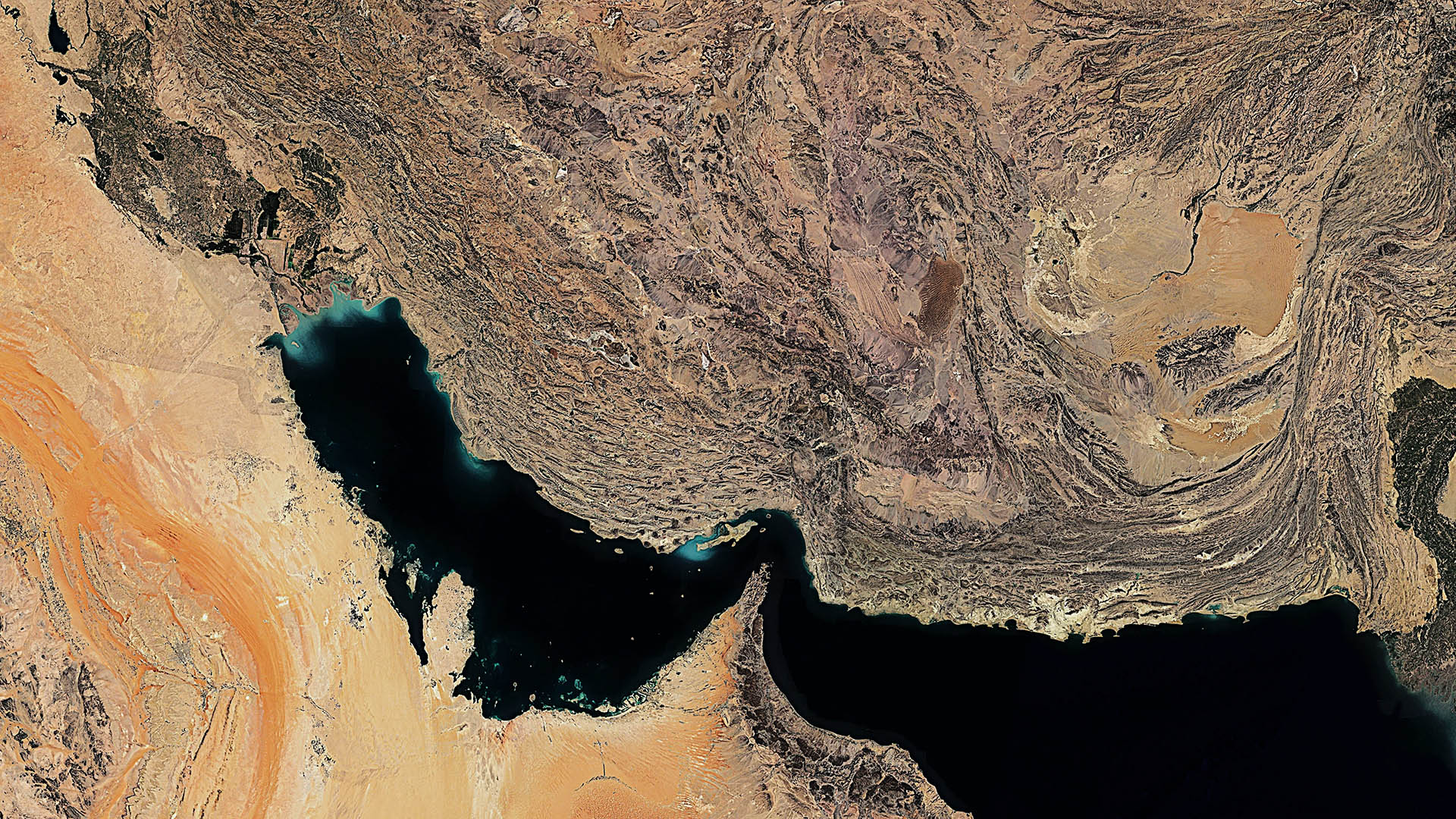
Iran — Prospects of a Deal
Last week, improving prospects of a US-Iran deal added further momentum to the risk-on move across markets, helping equities return close to recent highs. The headlines remain speculative, with no official agreement confirmed so far, but they were enough to support broader risk appetite.
The US appears increasingly willing to concede on some key points, although nothing has been formally confirmed. A 30-day ceasefire is now expected, during which negotiations would take place, reportedly with Pakistan acting as an intermediary.
With oil prices still elevated and risk assets already trading near recent highs, we think markets have become increasingly vulnerable to disappointment. Any setback in negotiations, or any sign that the ceasefire framework is weaker than expected, could quickly spook markets and trigger a reversal in the recent risk rally.
Fed — A Hawkish Reset
The Fed’s hawkish turn gained further momentum last week, as markets continued to reprice expectations around the incoming chair. Warsh, initially viewed as a candidate likely to cut rates, may instead take office in a much more challenging environment, with inflation risks still elevated and 10-year Treasury yields potentially at the highest level for any incoming Fed chair since Greenspan in August 1987.
Last Friday, Fed Governor Waller’s speech reinforced the hawkish shift. He suggested that the Fed’s easing bias should be removed and that rate hikes could become necessary if inflation expectations were to become unanchored.
Markets now price in one hike before year-end, with additional term premium building into 2027. Warsh’s first meeting as Fed Chair will therefore be increasingly important in defining the direction of the new Fed. A hike at the first meeting still looks unlikely at this stage, but if inflation expectations continue to loosen, markets may force the Fed into a more restrictive stance.
Turkey — Heating up
Last week, a Turkish court annulled the results of the main opposition CHP’s 2023 congress, effectively deepening internal divisions within the party. For markets, this increases the perceived probability of early elections being called by President Erdogan, who may try to capitalize on a weakened opposition to secure a constitutional majority, while also benefiting from the recent disinflation trend.
However, Erdogan may be tempted to wait until energy prices ease, as the main macroeconomic vulnerability remains Turkey’s widening current account deficit. The deficit has been deteriorating on the back of resilient growth and monetary policy that, despite tight headline rates, has not been restrictive enough to fully cool domestic demand.
The market reaction was immediate. The CBRT reportedly spent around USD 6bn shortly after the headline broke, while CDS widened, reflecting renewed concerns over potential local dollarization. We think tighter monetary policy will likely be required, despite already elevated rates. Starting from current valuations, Turkish credit does not yet fully reflect the left-tail risks that could materialize in the coming months.
Algebris Investments’ Global Credit Team
For more information about Algebris and its products, or to be added to our distribution lists, please contact Investor Relations at algebrisIR@algebris.com. Visit Algebris Insights for past commentaries.
Any opinion expressed is that of Algebris, is not a statement of fact, is subject to change and does not constitute investment advice.
No reliance may be placed for any purpose on the information and opinions contained in this document or their accuracy or completeness. No representation, warranty or undertaking, express or implied, is given as to the accuracy or completeness of the information or opinions contained in this document by any of Algebris Investments, its members, employees or affiliates and no liability is accepted by such persons for the accuracy or completeness of any such information or opinions.
© Algebris Investments. Algebris Investments is the trading name for the Algebris Group.
