


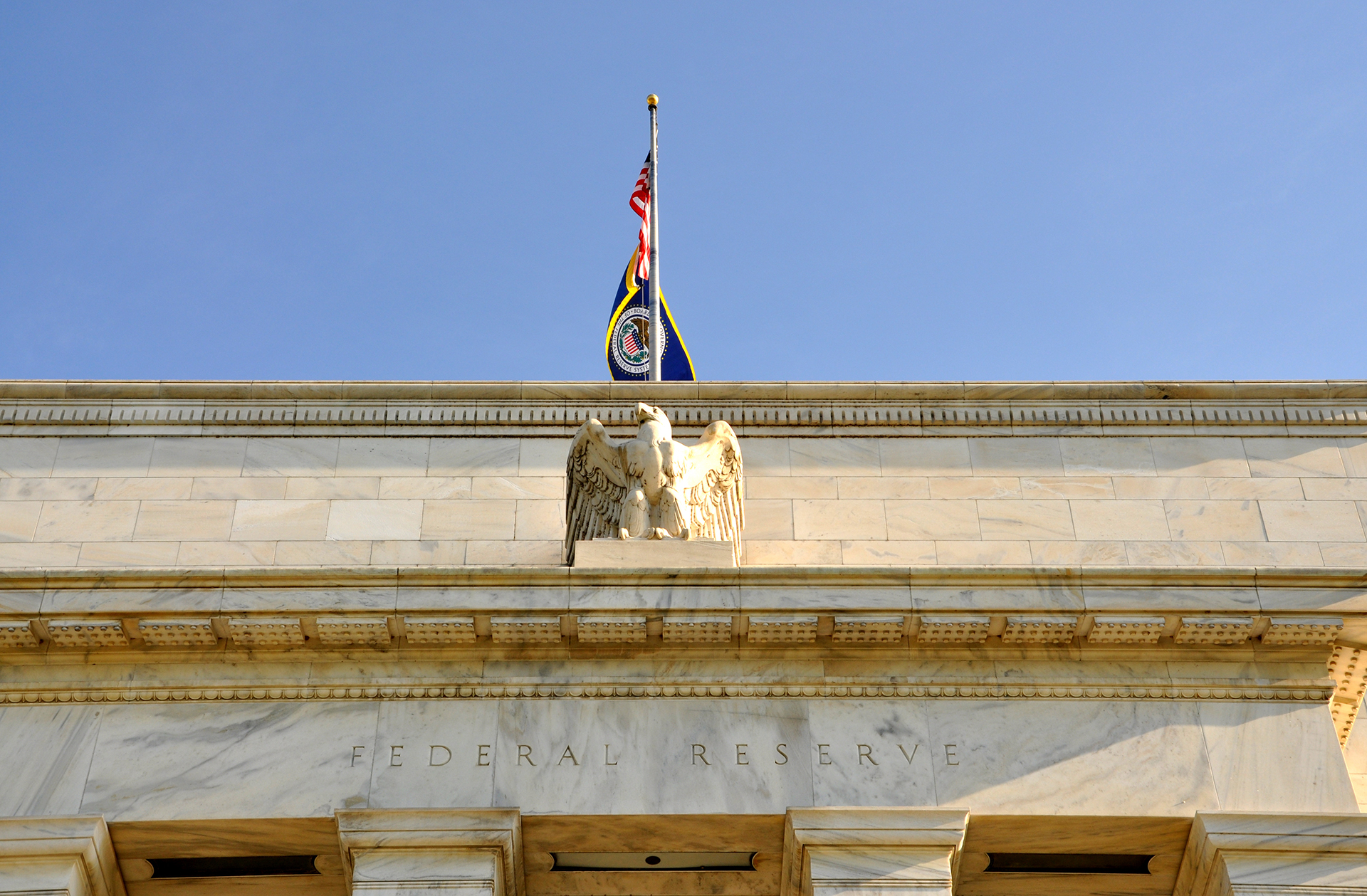
Inflation vigilantes are back
The Fed’s latest communication is helping restore its inflation fighting credibility. Last week, the Federal Reserve raised rates by 25 basis points, in line with expectations. The tone was hawkish, with Chair Warsh stressing that policy remains insufficiently restrictive. The updated dot plot pointed to one further hike this year, while projections for both growth and inflation were revised higher. Inflation has remained above target for more than five years, leading markets to question how much tightening the Fed would ultimately be willing to deliver. This uncertainty was reflected in both the dollar and the 30-year yield. Recent communication has begun to remove that risk premium: the 30-year sector has outperformed the rest of the curve, suggesting that the Fed is focused on long-term inflation expectations. With three additional hikes already priced in, the key question for risk markets is how much further the Fed can surprise on the hawkish side. So far the adjustment has not been large enough to materially affect risk assets.
Behind the curve
The BOJ’s slow pace of normalisation is likely to keep the yen under pressure in the short term, despite the currency’s supportive fundamentals. Last week, the Bank of Japan raised rates by 25 basis points to 1.25%, with a 7–2 vote. The decision was broadly expected, although the tone was more dovish than anticipated. The yen had performed strongly the previous week, but higher oil prices, a hawkish Fed and a relatively dovish BOJ created a weaker short term backdrop for the currency. We believe the yen is trading below levels justified by its fundamentals, including Japan’s structural external position and current account dynamics. However, the BOJ is moving too slowly for markets. As a result, further yen underperformance is likely in the near term, even though the medium term outlook remains more constructive.
Liquidity troubles
Turkish equities fell sharply last Wednesday after one of the country’s largest fund managers failed to meet investor redemption requests. Finance Minister Simsek and other local authorities responded aggressively, providing the necessary liquidity and containing the negative feedback loop. Equities subsequently recovered, while tensions in the bond market eased. The lira has appreciated significantly in real terms over recent months, creating pressure on parts of the economy. A broader adjustment to the FX regime may therefore become necessary. However, President Erdogan is likely to prefer clearing the electoral risk before allowing such an adjustment to take place, as the main risk is renewed dollarization. At the same time, the current account could deteriorate significantly in the coming months if energy prices remain at current levels. Against this backdrop, we believe caution remains the most appropriate stance toward Turkish fixed income.
Algebris Investments’ Global Credit Team
For more information about Algebris and its products, or to be added to our distribution lists, please contact Investor Relations at algebrisIR@algebris.com. Visit Algebris Insights for past commentaries.
Any opinion expressed is that of Algebris, is not a statement of fact, is subject to change and does not constitute investment advice.
No reliance may be placed for any purpose on the information and opinions contained in this document or their accuracy or completeness. No representation, warranty or undertaking, express or implied, is given as to the accuracy or completeness of the information or opinions contained in this document by any of Algebris Investments, its members, employees or affiliates and no liability is accepted by such persons for the accuracy or completeness of any such information or opinions.
© Algebris Investments. Algebris Investments is the trading name for the Algebris Group.
