


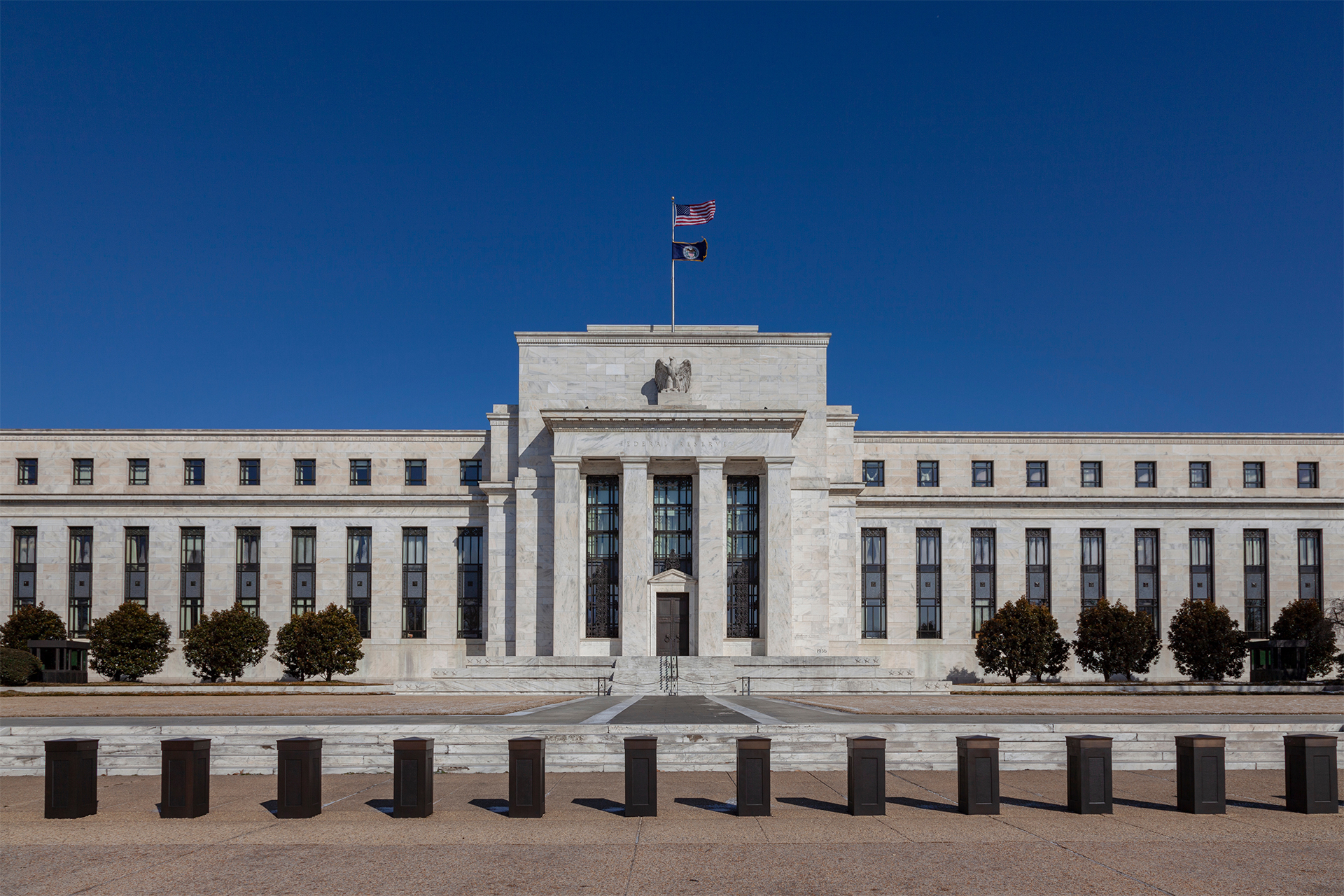
Fed – Credibility is back
The first effects of the Warsh Fed are starting to show across markets, and the driver is straightforward: credibility. By reaffirming the 2% inflation target and maintaining an orthodox policy stance, the new Fed Chair has reassured investors that US monetary policy will remain anchored, rules-based and focused on price stability. The market reaction has been clear. The dollar has strengthened, curves have flattened, and 10-year inflation breakevens have repriced sharply lower. Part of the move also reflects a more benign external backdrop, with de-escalation in the Middle East driving oil prices to new lows for the year and close to the bottom of the post-pandemic range. But the broader message is that markets are starting to rebuild confidence in the Fed’s reaction function. After months during which political interference and inflation persistence had raised questions about institutional credibility, Warsh’s early communication has helped reset the narrative.
LatAm – The right-wing reset
A political regime shift is taking shape across Latin America. Argentina’s election of Milei in 2023 marked the start of a broader right-wing wave, which has since extended across the region: Bukele consolidated a security-first model in El Salvador, Noboa reinforced the anti-populist shift in Ecuador, Rodrigo Paz changed the direction in Bolivia, while Keiko Fujimori in Peru, if officially confirmed, and Abelardo de la Espriella in Colombia will move their countries toward a more market-friendly and US-aligned stance. Venezuela remains a different case, but a post-Maduro transition would also likely imply a more US-aligned and pro-market direction. The next key test will be Brazil, where the election will be pivotal given the country’s worsening fiscal problem. Mexico remains further away, with Sheinbaum still firmly in control, but the regional direction is increasingly clear: after years of populism, fiscal slippage and weak policy credibility, voters are shifting toward governments promising security, fiscal discipline, stronger institutions and closer alignment with the US. For markets, this is potentially transformational. Local assets across the region still embed significant risk premia after years of loose fiscal policy, weak security and institutional uncertainty. If the new governments can make fiscal consolidation and governability their first priorities, the scope for risk premium compression is material. In some countries, this process has already started.
Algebris Investments’ Global Credit Team
For more information about Algebris and its products, or to be added to our distribution lists, please contact Investor Relations at algebrisIR@algebris.com. Visit Algebris Insights for past commentaries.
Any opinion expressed is that of Algebris, is not a statement of fact, is subject to change and does not constitute investment advice.
No reliance may be placed for any purpose on the information and opinions contained in this document or their accuracy or completeness. No representation, warranty or undertaking, express or implied, is given as to the accuracy or completeness of the information or opinions contained in this document by any of Algebris Investments, its members, employees or affiliates and no liability is accepted by such persons for the accuracy or completeness of any such information or opinions.
© Algebris Investments. Algebris Investments is the trading name for the Algebris Group.
